Modern online slots are no longer built around a single spin-and-win mechanic. Players today expect depth, progression, and a sense that every action can unlock something new. This is where multi-level bonus games come into play. By stacking several bonus mechanics on top of each other, developers transform a standard slot into an interactive experience that feels closer to a game than a simple gambling product.
Multi-level bonus games increase engagement, extend session time, and give players clear short-term and long-term goals, all while maintaining the core simplicity of slot gameplay.
What Are Multi-Level Bonus Games in Slot Machines
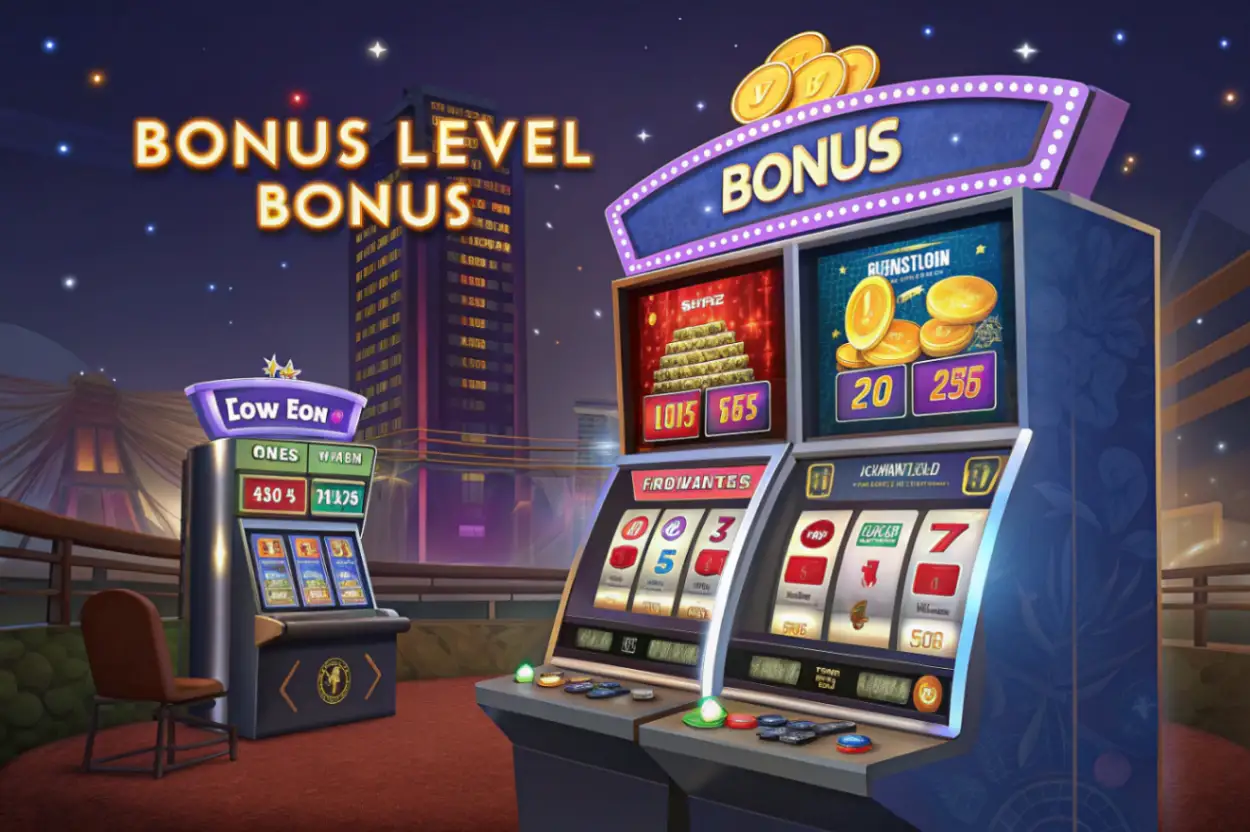
Multi-level bonus games are slot features where bonuses are structured in several stages or layers, rather than appearing as a single isolated event. Instead of triggering one free spins round or one pick-and-win screen, players may unlock a chain of bonuses, each with its own mechanics, rewards, and conditions. These layers can be sequential, where one bonus leads directly into another, or parallel, where different bonus paths exist and are unlocked over time.
From a design perspective, this structure allows developers to introduce progression systems that feel meaningful. Players are not just hoping for a random bonus trigger; they are actively working toward unlocking deeper levels. This sense of advancement taps into familiar gaming psychology, similar to leveling systems in video games, making slots feel more interactive without overwhelming casual players.
Player Engagement and Psychological Impact of Layered Bonuses
One of the strongest advantages of multi-level bonus games is their psychological impact. Traditional slots rely heavily on short bursts of excitement, but layered bonuses create sustained anticipation. Each level reached reinforces the feeling that the player is getting closer to something bigger, whether that is a higher multiplier, a new bonus mechanic, or access to premium rewards.
This structure also improves perceived control. Even though outcomes remain random, players feel involved in a journey rather than a series of disconnected spins. Progress meters, locked bonus stages, and visible milestones all contribute to this perception. As a result, players are more likely to stay engaged, as each spin feels like it contributes to a broader objective rather than standing alone.
Common Types of Multi-Level Bonus Mechanics
Multi-level bonus games can be implemented in many different ways, but certain mechanics have become especially popular because they balance clarity with excitement. Developers often combine these elements to create a layered experience that evolves over time. Before diving deeper, it is useful to look at the most common building blocks used in multi-level bonus slots.
These mechanics often appear together within the same game, forming a progression system rather than isolated features.
- Progressive free spins rounds that unlock additional modifiers or reels at higher levels.
- Pick-and-win bonuses that expand with new prize types or higher value symbols.
- Accumulating multipliers that carry over between bonus stages.
- Bonus wheels with locked premium segments that open after specific conditions.
- Mini-games that feed into a final, high-value bonus round.
When used correctly, these mechanics support each other instead of competing for attention. The key is that each layer feels distinct while still contributing to the overall reward structure. After players experience one bonus, they understand that there is more depth waiting beyond it, which strengthens long-term interest.
Progression Systems and Reward Scaling in Slot Design
A critical aspect of multi-level bonus games is how rewards scale across different stages. Early bonus levels typically offer frequent but smaller wins, designed to introduce the mechanics and keep players motivated. As players move deeper into the bonus structure, rewards become less frequent but significantly larger, creating a clear risk–reward balance.
To better understand how progression and rewards interact, consider how a typical multi-level bonus structure might be designed in a modern slot.
Before examining the table, it is important to note that these stages are not rigid rules but common patterns used by developers to manage pacing and player expectations.
| Bonus Level | Main Objective | Gameplay Focus | Reward Potential |
|---|---|---|---|
| Level 1 | Unlock initial bonus | Simple free spins or picks | Low to medium |
| Level 2 | Enhance base bonus | Added multipliers or symbols | Medium |
| Level 3 | Access advanced feature | New reels or mechanics | Medium to high |
| Level 4 | Trigger final bonus | High volatility mini-game | High |
This structure allows players to feel rewarded at every stage while keeping the highest payouts reserved for those who reach the final level. After the table, it becomes clear why players often describe these slots as more immersive. Each stage has a purpose, and the journey itself becomes part of the entertainment, not just the final payout.
Interactivity Through Choice and Player Agency
Interactivity in slots is often misunderstood. It does not mean giving players control over outcomes, but rather giving them meaningful choices within a randomized system. Multi-level bonus games excel at this by introducing decisions that shape the bonus path, even if the results remain governed by RNG.
For example, players may choose which bonus level to pursue first, which symbols to upgrade, or how to allocate collected items during a bonus round. These decisions create a feeling of agency, making the player an active participant instead of a passive observer. Over time, this perceived agency significantly enhances enjoyment, as players feel that their choices influence the experience, if not the exact result.
The Future of Multi-Level Bonus Games in Online Slots
As technology advances, multi-level bonus games are becoming more sophisticated. Developers are experimenting with persistent progression that carries across sessions, narrative-driven bonus structures, and even social elements where players can compare progress or unlock shared events. These innovations blur the line between slots and casual video games, appealing to a broader audience.
Looking ahead, multi-level bonuses are likely to become a standard expectation rather than a premium feature. As players grow accustomed to interactive depth, simpler slot designs may struggle to hold attention. The challenge for developers will be balancing complexity with accessibility, ensuring that layered bonuses enhance the experience without alienating newcomers.
Conclusion
Multi-level bonus games represent a natural evolution of slot design. By layering bonuses, developers create a sense of progression, interactivity, and sustained excitement that traditional slots cannot easily match. These systems engage players on a psychological level, offering goals, choices, and escalating rewards that make each spin feel meaningful. As online slots continue to evolve, multi-level bonus games will play a central role in shaping more immersive and interactive gambling experiences.
Leave a Reply